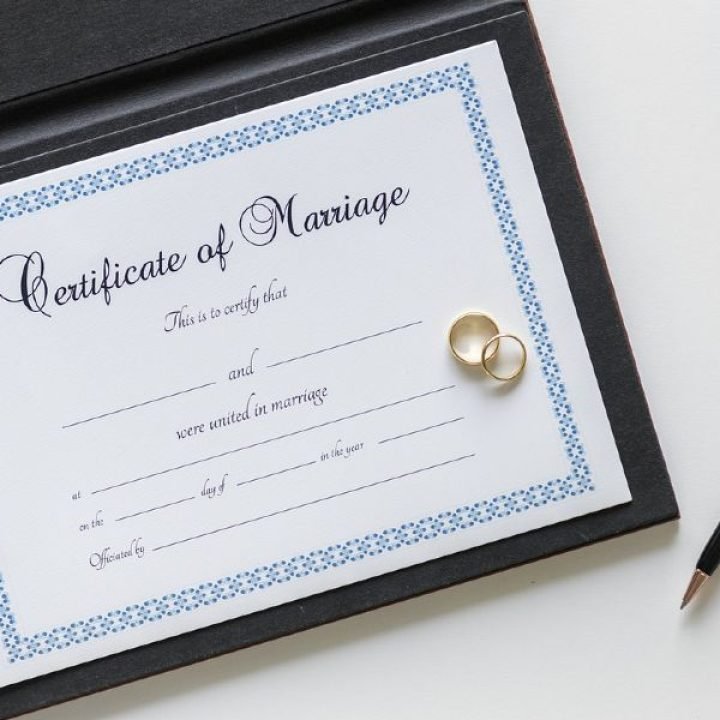
Court marriage is a legally recognized marriage conducted under the laws of Pakistan. Unlike a traditional nikah ceremony, a court marriage is performed and registered at a government court, ensuring that your marriage is officially documented and valid for all legal, administrative, and official purposes.
This process is ideal for couples who want a fast, legal, and recognized marriage certificate, whether they are living locally or overseas. Court marriage requires both parties’ consent, proper documentation, and the presence of authorized officials, making it fully compliant with Pakistani law.
Our Court Marriage Service in Pakistan provides a simple, transparent, and legally recognized way to solemnize your marriage. Court marriage is an official procedure that ensures your marriage is valid under Pakistani law and recognized by government authorities, banks, and other institutions.
Whether you are a local resident or an overseas Pakistani, our professional team guides you through every step, making the process smooth, fast, and stress-free.
Court marriage is ideal for couples who:
Court marriage in Pakistan is a legally recognized and structured process that allows couples to marry under both Islamic principles and Pakistani law. It ensures that the marriage is conducted with mutual consent and properly documented for legal validity.
Court marriage in Pakistan is a legally recognized and structured process that allows couples to marry under both Islamic principles and Pakistani law. It ensures that the marriage is conducted with mutual consent and properly documented for legal validity.
The process generally involves the following steps:
1. Initial Consultation & Preparation
Couples receive guidance regarding the legal process, documentation, and requirements before starting the procedure.
2. Document Verification
Both individuals must provide valid documents such as CNIC, photographs, and proof of marital status to confirm eligibility.
3. Affidavit of Free Will
A legal affidavit is prepared stating that both parties are entering the marriage willingly and without any pressure or coercion.
4. Nikah Ceremony
The Nikah is conducted by a licensed Nikah Khawan in the presence of two adult Muslim witnesses, following Islamic guidelines.
5. Marriage Registration
After the Nikah, the marriage is officially registered with the relevant Union Council, and the Nikah Nama is issued as legal proof.
6. NADRA Marriage Certificate (Optional)
Couples can obtain a Marriage Registration Certificate (MRC) from National Database and Registration Authority for official and international use.
To complete a court marriage legally in Pakistan, the following requirements must be fulfilled:
Valid CNIC or identification documents for both bride and groom
Minimum legal age (18 years for male and female under Pakistani law)
Free consent of both parties without any coercion
Presence of two adult Muslim witnesses
Nikah performed by an authorized Nikah Khawan
Completion and signing of the official Nikah Nama
Registration of marriage with the Union Council
Avoid legal hassles and ensure your marriage is officially recognized. Our team is ready to guide you through the entire court marriage process in Pakistan with professionalism, speed, and confidentiality.
A court marriage is conducted by an authorized registrar, judge, or Nikah Khawan (in Pakistan) who is legally recognized to perform marriages.
Yes, foreign nationals can have a court marriage in Pakistan, but they must provide valid passports, visas, and any required no-objection or single-status certificates from their home country.
Yes. Court marriage is a legal registration under civil law, while Nikah is an Islamic religious ceremony. In Pakistan, both can be done together for legal and religious compliance.
Most jurisdictions, including Pakistan, require two adult witnesses to confirm the marriage during the ceremony.
Some countries and services allow remote or online court marriage filing, but the actual ceremony and signature usually require physical presence or authorized representation.